
First they came for the Communists
And I did not speak out
Because I was not a Communist
Then they came for the Socialists
And I did not speak out
Because I was not a Socialist
Then they came for the trade unionists
And I did not speak out
Because I was not a trade unionist
Then they came for the Jews
And I did not speak out
Because I was not a Jew
Then they came for me
And there was no one left
To speak out for me
- Pastor Martin Niemöller (1946)
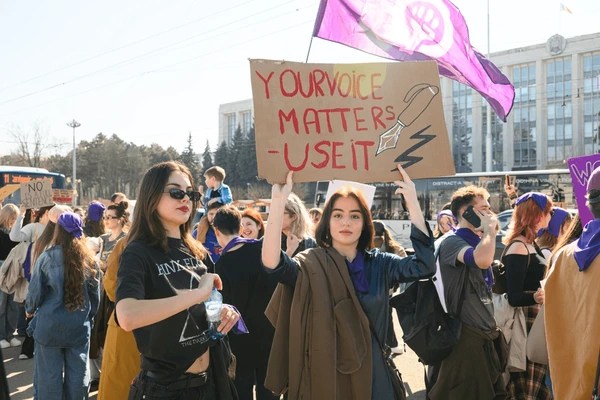
After Martin Niemöller witnessed the horrors of Nazi Germany, he wrote a poem about staying silent as group after group was targeted, until there was no one left to defend him. His message is as needed today as it was then:
Injustice anywhere is a threat to justice everywhere.
We still see people targeted for who they are, women whose voices are dismissed, LGBTQ+ people facing hate, people with disabilities denied access, refugees turned away, the poor overlooked, and prisoners forgotten. Each time we stay silent because the issue “doesn’t affect us,” the space for justice grows smaller, until one day, it may no longer include us.
Here’s the truth: you don’t have to belong to a group to stand up for it. You don’t need to be a woman to fight sexism, LGBTQ+ to challenge homophobia, disabled to demand accessibility, a refugee to support humane policies, or poor to speak against inequality. Justice isn’t about identity, it’s about humanity.
Speaking up doesn’t always mean making speeches or leading protests. It can be as simple as calling out a cruel joke, standing beside someone who feels isolated, asking hard questions when something seems wrong, or refusing to stay quiet in the face of hate. Courage isn’t measured by volume; sometimes it’s a calm voice that states, “This isn’t right.”
As students, we are not just the leaders of tomorrow, we create change now. Our words and actions can shape the kind of world we live in. Even if one person’s freedom or dignity is denied, none of us truly live in a free or just society.
So speak up, for women, for LGBTQ+ people, for people with disabilities, for refugees, for the underprivileged, for prisoners, for anyone whose humanity is denied. When you raise your voice for others, you’re also protecting your own future.
Silence protects the oppressor.
Voice protects us all.
Written by Trishana P, a journalist and editor in chief at The Woodstocker
 thewoodstocker.com