
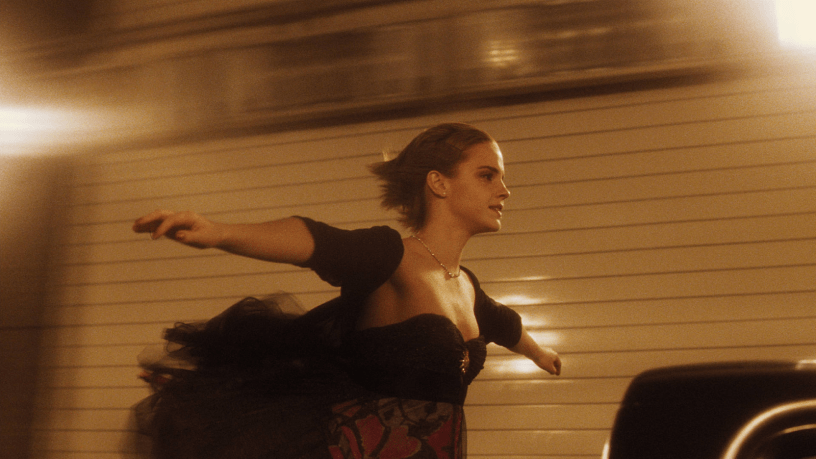
The Perks of Being a Wallflower (2012, Wallpapers.com)
For the average Woodstock student, music often feels like the saving grace for the impact of various obstacles within our lives. For example, there is something healing about plugging in headphones to work, and ending up feeling the lyrics of a song so much more deeply when we’re trying to be productive.
Music has always connected with several aspects of Woodstock. The school holds a remarkable historical record in terms of ensembles, concerts, and the overall significance of music programmes. Seeing students pour out of the music building with instruments, and countless sheets of music, is one of the things that symbolize how vital it is to us.
Like when the choir would sing Fix You/Ishq Bina by Coldplay and Penn Masala or songs from musicals such as Dear Evan Hansen, being the source of sound and filling the space with unified voices were cathartic experiences. Singing alongside roughly 30 other people was more of a series of healing vibrations in our chests rather than forced performances. Our voices echoed in harmony as we bonded even more each spring and fall concert, being able to provide listeners with an experience like this after practicing together for months.
Expressive and harmonic forms of music such as this started around the Renaissance period, seeing the first few uses of music for widespread enjoyment. It provided people with more than just a filler for silence; it became a medium for emotional connection and communication. Composers in the renaissance shifted from simple forms of music, to attempting to capture the meaning of human life. Especially because noble courts funded the practice of musicians. The culture of both playing and listening to the art became incredibly important, and this shift marked one of the first times music became widely accessible beyond elite circles.
I feel that our generation has carried this importance into our lifetimes. One of the ways in which we connect with each other is through taste in music. Things like soundtracks of films, ipods, wired earphones, and Radiohead lyrics have found a way of intertwining with our preferences. These things influence our preferences by eventually representing our generation’s music taste, ultimately deciding which band-tees we decide to wear or which songs we put on our Instagram note—symbols of the 1990s musical era including mix tapes, britpop, and grainy tape recordings of MTV.
Nevertheless, there’s emotional complexity within our favourite songs. The way we associate them with specific people, experiences, and time periods means much more than what’s popular. How listening to music feels, allows our emotions to resonate in a way that’s healthy. This suggests why we tend to idealize the experience when looking back on moments and viewing them through a reminiscent lens.
Because music is tied to emotional tagging, anyone that’s seen The Perks of Being a Wallflower, knows just how soul-crushing David Bowie’s song “Heroes” is. The song first plays when the main character experiences complete freedom, a transcendent and vital moment. The scene represents the battling feelings of a rush of ecstasy and an ache for the memories with the people and places close to us. This song also becomes the anthem of the ‘coming-of-age’ theme portrayed in the film, which again leads to us feeling nostalgic about our own lives and people.
What music means to us can be a heavy subject for some, and a simple “I listen to music to help me study” for others. To me, listening to my favourite music helps me process what I’m feeling. Emotions can be complex, and the good thing is that some artists have been through similar experiences or felt similar emotions. For example, during the conflict last May, I’m sure quite a lot of us listened to “Spring into Summer” by Lizzy McAlpine, or anything by Phoebe Bridgers, and continued to cry for hours. Though these artists haven’t gone through quite the same thing, the combination of a guitar with gut-wrenching lyrics seemed to be the cure to the tragedy of leaving dear friends behind, and being terrified of what was to come next.
Music, therefore, is not simply background noise; it is a medium through which we find peace in our lives.
At times, we can become overwhelmed by the intense volume of emotions we feel at once. In the face of these feelings, music becomes a receptacle for things we don’t always have the ability to express out loud. Whether it’s singing at the spring concert or sharing earphones with your best friends, anything works. For Woodstockers, favourite songs become our source of solace, and the anthem of our coming-of-age.
For me, music is the saving grace by which I will be rescued, as long as I live.
Written by Shivani Dhar, Journalist at The Woodstocker
Edited by Trishana Panchagatti and Priyanshi Poddar, Co-Editor of The Woodstocker
 thewoodstocker.com
Amazing! Absolutely Awesome!
LikeLiked by 1 person
This is so well-written!
LikeLiked by 1 person