
“I’m just not built for Math.”
“I’m not a confident person, at all!”
“I can’t talk to new people.”
Most of us have said something like this at some point. We treat our personalities, abilities and habits as fixtures – as though they were installed at birth and are now impossible to update. Modern neuroscience suggests otherwise.
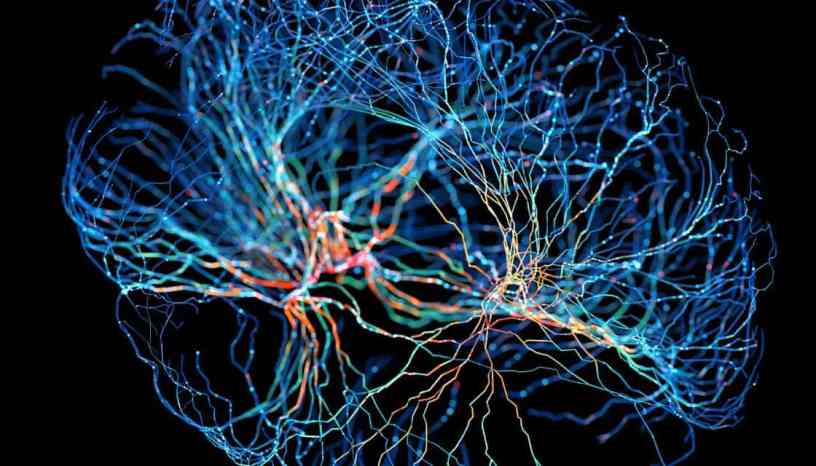
The reason lies in a phenomenon called neuroplasticity: the brain’s ability to reorganise itself by forming new neural connections throughout life. Your brain is constantly rewiring itself based on what you do, think, practise and experience.
For centuries, scientists have believed that the adult brain was largely stagnant, or that the structure was completely permanent. But today, we know that isn’t true. Every time you learn a new skill, develop a habit, practise an instrument, attempt to speak a language, or even change the way you think about a problem, your brain physically changes.
Practice piano every single day? The neural pathways involved in reading music and coordinating movement become stronger.
Avoid public speaking every chance you get? The pathways associated with avoidance become stronger, and those that associate with public speaking start decreasing.
In a way, your brain is always taking votes. Every action or thought in your life casts a vote for the person you are becoming.
This can be both comforting and unsettling.
Comforting, because it means you are not trapped by who you are today. With neuroplasticity on your side, you can do and be almost anything. We are not constrained to the talents we inherited – but by those that we actively construct into our lives.
Unsettling, because it means the person you become is influenced by thousands of small decisions that feel too small and insignificant in the moment. It is important to note that one action alone cannot create this change, but rather a constant repetition of such behaviours that causes these changes.
Neuroplasticity doesn’t mean anyone can become anything. No amount of practice will turn every person into an olympic athlete or a concert pianist. Biology, opportunity and circumstance still matter.
But neuroplasticity does suggest that many of the limits we place on ourselves are less permanent than we imagine.
The shy student can become confident, the average writer can become excellent, and the disorganised person can learn systems that will eventually feel automatic and organised. What often separates these versions of ourselves is not dramatic transformation but consistency, repeated exposure, effort and time.
This is particularly relevant for teenagers. Adolescence is one of the most neurologically dynamic periods of life. The teenage brain is actively strengthening some connections while pruning away others. Habits formed during these years – both helpful and harmful – can become deeply embedded.
So, every time you choose to practice, persist or push even slightly beyond your comfort zone, you are quite literally shaping the architecture of your brain.
Perhaps the most powerful implication of this phenomenon is that identity becomes less of a destination and more of a process – you are not simply discovering who you are, you are building who you are. The version of yourself five years from now is not hiding somewhere inside you, waiting to be found. It is being constructed: one thought, one habit, and one decision at a time.
Your brain is changing whether you realise it consciously or not.
The real question is: what are you going to teach it to become?
Written by Tisya K, Staff Writer at The Woodstocker
Edited by Arjuna T, Co-Editor at The Woodstocker


Awesome!
LikeLike